
Hammertoe Surgery as a Treatment Solution

Hammertoe is a common foot deformity that usually affects the second, third, or fourth toe. It occurs when the middle joint of a toe becomes bent downward, creating a hammer-like appearance. Over time, the affected toe may become rigid and difficult to move. In podiatry, hammertoe is considered a progressive condition, meaning it can worsen if not properly managed.

The primary cause of hammertoe is muscle imbalance in the foot. When the muscles, tendons, and ligaments that control toe movement become uneven, the toe may be pulled into an abnormal position. Wearing tight or narrow shoes is a major contributing factor, as it forces the toes into a cramped space. High-heeled shoes can also increase pressure on the front of the foot, making the condition more likely. Other causes include trauma, arthritis, and genetic foot structure that predisposes a person to toe deformities. Symptoms of hammertoe often begin with mild discomfort. Patients may notice a bent toe that does not straighten easily. Corns or calluses can form on the top of the toe or on the ball of the foot, due to friction and pressure from footwear. As the condition progresses, pain may increase, especially when walking or wearing shoes. In advanced cases, the toe may become stiff and fixed in position, making daily activities more difficult.


Treatment for hammertoe depends on the severity of the condition. Early stages may be managed with shoe modifications, orthotic devices, and padding to reduce pressure on the affected toe. Stretching exercises may help improve flexibility. However, when the deformity becomes rigid or painful, surgical correction may be recommended. Hammertoe surgery involves releasing tight tendons, realigning the toe, and in some cases, removing a small section of bone to restore proper alignment. The goal is to improve function and reduce pain. Recovery time after hammertoe surgery varies, depending on the procedure performed. Most patients can expect swelling and limited activity for several weeks. Full recovery may take several months, with a gradual return to normal footwear and activity levels. If you need hammertoe surgery, it is strongly suggested that you consult a podiatrist who can discuss the benefits of this type of surgery with you.

Foot surgery is sometimes necessary to treat a foot ailment. To learn more, contact one of our podiatrists of VIP Foot & Ankle Center. Our doctors will assist you with all of your foot and ankle needs.

When Is Surgery Necessary?

Foot and ankle surgery is generally reserved for cases in which less invasive, conservative procedures have failed to alleviate the problem. Some of the cases in which surgery may be necessary include:

  • Removing foot deformities like bunions and bone spurs
  • Severe arthritis that has caused bone issues
  • Cosmetic reconstruction

What Types of Surgery Are There?

The type of surgery you receive will depend on the nature of the problem you have. Some of the possible surgeries include:

  • Bunionectomy for painful bunions
  • Surgical fusion for realignment of bones
  • Neuropathy decompression surgery to treat nerve damage

Benefits of Surgery

Although surgery is usually a last resort, it can provide more complete pain relief compared to non-surgical methods and may allow you to finally resume full activity.

Surgical techniques have also become increasingly sophisticated. Techniques like endoscopic surgery allow for smaller incisions and faster recovery times.

If you have any questions, please feel free to contact our office located in Pembroke Pines, FL . We offer the newest diagnostic and treatment technologies for all your foot care needs.


Read more about Foot and Ankle Surgery

A Common Area of the Foot Where Stress Fractures Can Occur

Many patients can incur a stress fracture by participating in repetitive activities that can weaken the bones. The metatarsal bones are a common area in the foot where this type of injury can happen. These are the bones that connect the ankle to the toes and undergo stress as everyday activities are performed. Additionally, a stress fracture can occur in runners that increase speed and distance too soon, and it may possibly help to warm up and cool down before and after the activity is performed. The pain in the affected area may gradually diminish, but generally returns as the chosen exercise is performed. Relief can be found when the foot can rest, and this typically involves stopping the movement that caused the injury. If you have endured a stress fracture, it is suggested that you consult with a podiatrist who can offer you the best treatment options.

Activities where too much pressure is put on the feet can cause stress fractures. To learn more, contact one of our podiatrists from VIP Foot & Ankle Center. Our doctors can provide the care you need to keep your pain free and on your feet.

Dealing with Stress Fractures of the Foot and Ankle

Stress fractures occur in the foot and ankle when muscles in these areas weaken from too much or too little use.  The feet and ankles then lose support when walking or running from the impact of the ground. Since there is no protection, the bones receive the full impact of each step. Stress on the feet can cause cracks to form in the bones, thus creating stress fractures.

What Are Stress Fractures?

Stress fractures occur frequently in individuals whose daily activities cause great impact on the feet and ankles. Stress factors are most common among:

  • Runners                                
  • People affected with Osteoporosis
  • Tennis or basketball players
  • Gymnasts
  • High impact workouts

Symptoms

Pain from the fractures occur in the area of the fractures and can be constant or intermittent. It will often cause sharp or dull pain with swelling and tenderness. Engaging in any kind of activity which involves high impact will aggravate pain.

If you have any questions please contact our office located in Pembroke Pines, FL . We offer the newest diagnostic and treatment technologies for all your foot and ankle needs.

Read more about Stress Fractures of the Foot and Ankle

5th Metatarsal Fractures Explained

A fracture of the fifth metatarsal is a break in the long bone on the outer side of the foot. This injury is common in athletes and dancers because of repeated stress, quick direction changes, and high impact activity. It may appear as pain along the outer foot, swelling, bruising, and difficulty walking or placing weight on the foot. Some fractures happen suddenly from a twist or fall, while others develop gradually from overuse. Because this area has a limited blood supply, proper evaluation is important for healing. A podiatrist can identify the type of fracture with imaging and determine the best course of treatment. Care may include immobilization or surgical support to ensure proper alignment and recovery. If you have a foot fracture, it is suggested that you consult a podiatrist who can offer the treatment that is best for you.

A broken foot requires immediate medical attention and treatment. If you need your feet checked, contact one of our podiatrists from VIP Foot & Ankle Center. Our doctors can provide the care you need to keep you pain-free and on your feet.

Broken Foot Causes, Symptoms, and Treatment

A broken foot is caused by one of the bones in the foot typically breaking when bended, crushed, or stretched beyond its natural capabilities. Usually the location of the fracture indicates how the break occurred, whether it was through an object, fall, or any other type of injury. 

Common Symptoms of Broken Feet:

  • Bruising
  • Pain
  • Redness
  • Swelling
  • Blue in color
  • Numbness
  • Cold
  • Misshapen
  • Cuts
  • Deformities

Those that suspect they have a broken foot shoot seek urgent medical attention where a medical professional could diagnose the severity.

Treatment for broken bones varies depending on the cause, severity and location. Some will require the use of splints, casts or crutches while others could even involve surgery to repair the broken bones. Personal care includes the use of ice and keeping the foot stabilized and elevated.

If you have any questions, please feel free to contact our office located in Pembroke Pines, FL . We offer the newest diagnostic and treatment technologies for all your foot care needs.
Read more about Causes, Symptoms, and Treatment for a Broken Foot

Recognizing Athlete’s Foot Early

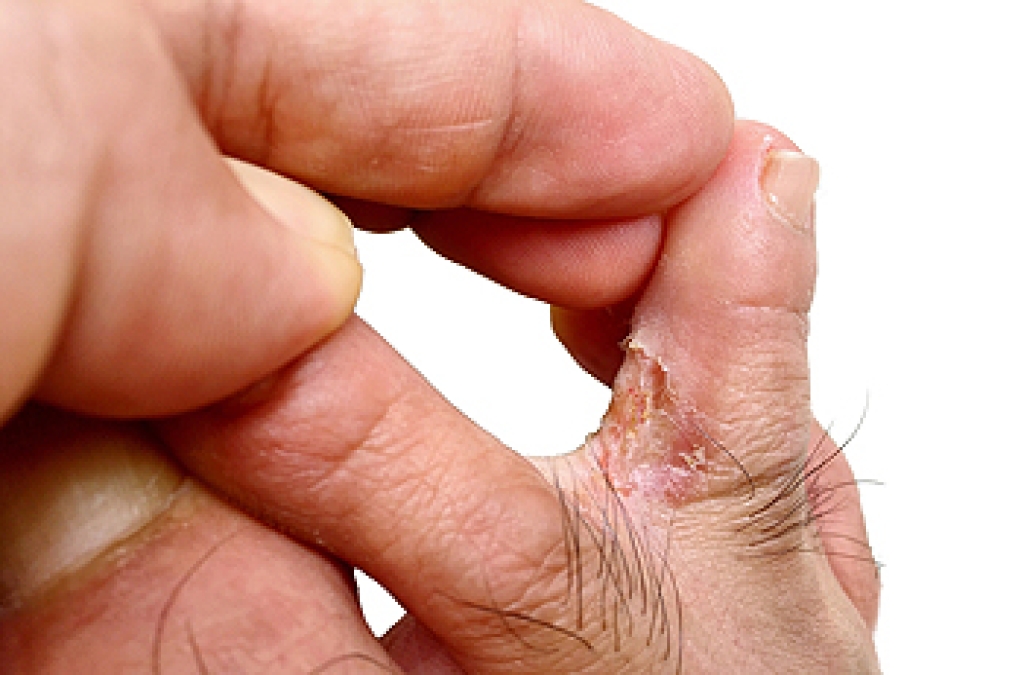
Athlete’s foot is a fungal infection that affects the skin on the feet, most often between the toes. It usually begins with itching, redness, and a burning feeling that can worsen after wearing shoes for long periods of time. The skin may appear dry, cracked, or flaky, and in some cases small blisters can form. This condition develops when fungus grows in warm, damp environments, such as sweaty socks or shared surfaces like locker rooms. Simple habits like using clean towels and changing socks often can help reduce risk, but infections can still occur. Without proper care, symptoms may spread or lead to secondary skin problems. A podiatrist can identify the infection, determine its severity, and provide targeted treatments that clear the fungus and protect the skin. If you have symptoms of athlete’s foot, it is suggested that you consult a podiatrist who can effectively treat this condition, which may include prescribed medication.

Athlete’s Foot

Athlete’s foot is often an uncomfortable condition to experience. Thankfully, podiatrists specialize in treating athlete’s foot and offer the best treatment options. If you have any questions about athlete’s foot, consult with one of our podiatrists from VIP Foot & Ankle Center. Our doctors will assess your condition and provide you with quality treatment.

What Is Athlete’s Foot?

Tinea pedis, more commonly known as athlete’s foot, is a non-serious and common fungal infection of the foot. Athlete’s foot is contagious and can be contracted by touching someone who has it or infected surfaces. The most common places contaminated by it are public showers, locker rooms, and swimming pools. Once contracted, it grows on feet that are left inside moist, dark, and warm shoes and socks.

Prevention

The most effective ways to prevent athlete’s foot include:

  • Thoroughly washing and drying feet
  • Avoid going barefoot in locker rooms and public showers
  • Using shower shoes in public showers
  • Wearing socks that allow the feet to breathe
  • Changing socks and shoes frequently if you sweat a lot

Symptoms

Athlete’s foot initially occurs as a rash between the toes. However, if left undiagnosed, it can spread to the sides and bottom of the feet, toenails, and if touched by hand, the hands themselves. Symptoms include:

  • Redness
  • Burning
  • Itching
  • Scaly and peeling skin

Diagnosis and Treatment

Diagnosis is quick and easy. Skin samples will be taken and either viewed under a microscope or sent to a lab for testing. Sometimes, a podiatrist can diagnose it based on simply looking at it. Once confirmed, treatment options include oral and topical antifungal medications.

If you have any questions, please feel free to contact our office located in Pembroke Pines, FL . We offer the newest diagnostic and treatment technologies for all your foot care needs.

Read more about Athlete’s Foot

Gout Pain Can Be Managed

Gout is a painful, inflammatory form of arthritis. Those affected will typically feel an intense stiffness in the joints of their feet, particularly in the big toe. Schedule a visit to learn about how gout can be managed and treated.

Advanced Podiatric Procedures & Services in the Miami, Pembroke Pines, Miami Gardens, Hollywood, Hallandale Beach, Davie, Dania Beach, North Miami, Hialeah, Fort Lauderdale areas